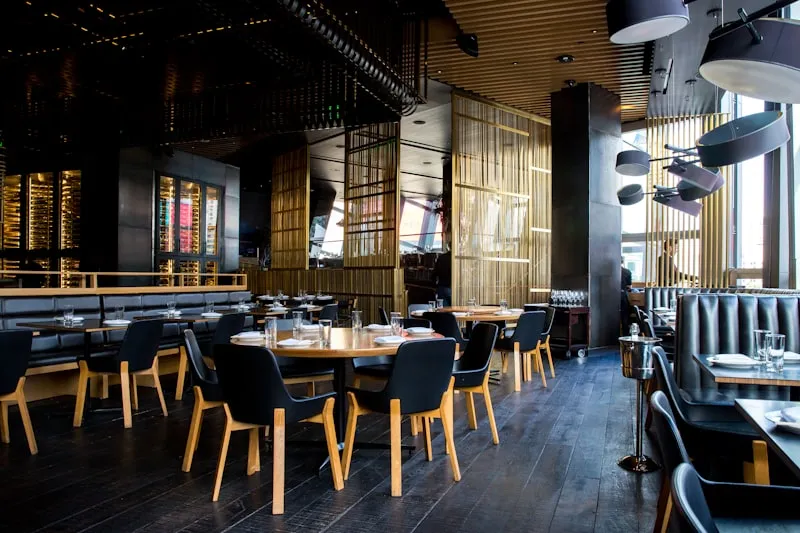
Commercial loans are a different beast compared to residential home loans. The documentation requirements are stricter, the lending criteria are more complex, and many mainstream lenders simply won't consider certain types of businesses. Here's how we helped Marco, a restaurant owner in Melbourne's west, secure the funding he needed to buy his premises.
The Situation
Marco had been running a successful Italian restaurant in Footscray for eight years. The landlord offered him the opportunity to purchase the commercial property for $750,000. It was a no-brainer — owning the premises would eliminate rising rent costs and give him long-term security. But there was a problem.
Marco had only recently restructured his business from a trust to a company, which meant he only had one year of financials under the new structure. Most major banks require a minimum of two years of tax returns, so two lenders had already declined his application — despite strong turnover and a solid track record.
"I'd been in business for eight years, never missed a rent payment, and had strong turnover — but because I only had one year of financials under my new company structure, the banks wouldn't look at me. It was incredibly frustrating."
What We Did
Explored Low-Doc Lending Options
With only one year of financials, a standard full-doc application wasn't going to work with most lenders. We took a low-doc approach, compiling Marco's most recent tax return, 12 months of BAS statements showing consistent quarterly turnover, 12 months of business bank statements demonstrating strong cash flow, and an accountant's declaration confirming the business was trading profitably.
Found a Specialist Lender
Mainstream banks typically require two years of financials for self-employed borrowers. We approached specialist commercial lenders who accept low-doc applications and are experienced with hospitality businesses. These lenders assess applications based on demonstrated cash flow rather than solely relying on multiple years of tax returns.
Structured the Loan Correctly
We structured the loan with a 30% deposit (Marco had built up equity through years of saving), an interest-only period for the first two years to help with cash flow during the transition from renting to owning, and a competitive commercial rate that was actually lower than what one of the banks had quoted before declining him.
Fast-Tracked the Approval
Because we had all the documentation prepared and presented it in the format the lender required, the application moved quickly. Marco received formal approval within three weeks of submitting the application — well within the timeframe needed to meet the purchase contract conditions.
The Result
- Loan amount: $750,000 commercial property loan
- Deposit: 30% ($321,000) from business savings
- Loan structure: Interest-only for 2 years, then principal & interest
- Approval time: 3 weeks from application to formal approval
- Monthly saving vs rent: ~$1,200 (and building equity)
- Previous bank applications: 2 declined
"After two rejections, I thought owning the restaurant building was off the table. Having a broker who knew where to go and how to present my situation properly made all the difference. I wish I'd come here first."
Key Takeaway
Being declined by a bank doesn't mean you can't get a loan — it often just means you went to the wrong lender. Self-employed borrowers and commercial loans require specialist knowledge. A broker who understands commercial lending can find the right lender for your situation and present your application in the strongest possible way.
Need Help With Your Loan?
Every situation is unique. Get personalised advice from Arvind — it's free and no obligation.